
Dec. 22, 2025
Hedge shears are one of the simplest tools in a gardener’s kit—yet they’re incredibly effective for shaping shrubs, refining edges, and keeping hedges looking crisp. If you’ve ever wondered when hedge shears make more sense than a powered trimmer, or how to use them without damaging plants, this guide covers the techniques, timing, and common mistakes.
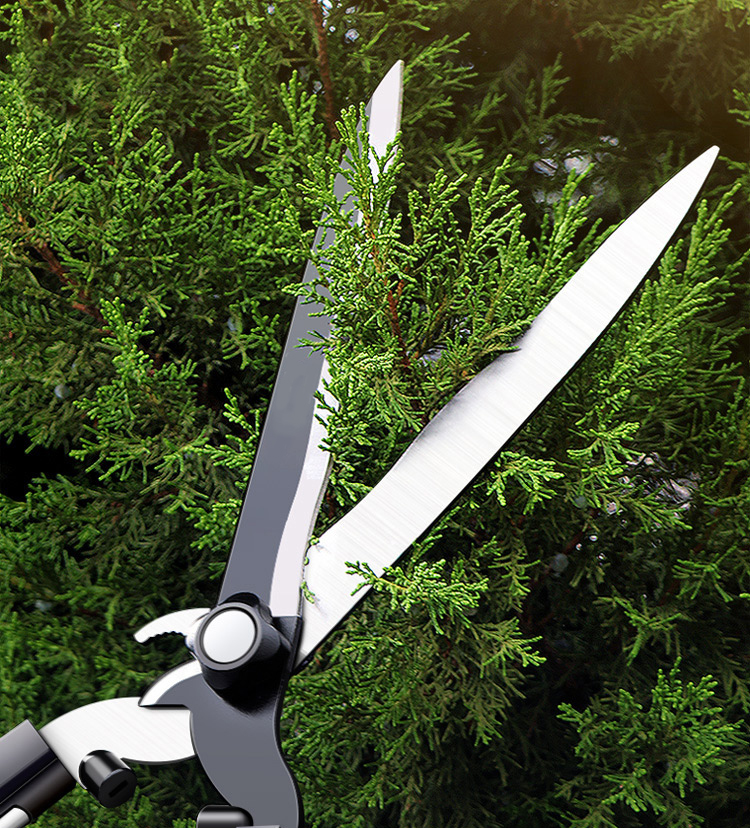
Use hedge shears when you want:
Clean, controlled shaping on small-to-medium hedges and shrubs
Quiet, mess-free touch-ups without cords, batteries, or fuel
Detail work near flower beds, borders, and topiary
Light trimming of soft growth (not thick woody branches)
Avoid hedge shears when:
You need to cut thick woody branches (use pruners or loppers instead)
You’re trimming a long hedge line and need speed (use a hedge trimmer)
Hedge shears are manual, scissor-like trimming tools designed to cut leafy growth and small stems on hedges and shrubs. They typically have long blades and long handles, which give you leverage and help you create straight lines and clean shapes.
Straight-blade hedge shears: The most common choice for general trimming and shaping.
Wavy or serrated blades: Help "grip" stems so they don’t slide while cutting.
Telescopic-handle shears: Extend your reach for taller hedges (often heavier).
Lightweight shears: Easier for longer sessions and precision work.
The best time to use hedge shears depends on the plant type and your goal—maintenance, shaping, or cleanup.
Evergreen hedges (boxwood, yew, privet, etc.): Light trims during active growth help maintain a neat shape.
Flowering shrubs: A safe rule is trim after flowering so you don’t remove next season’s buds.
Avoid trimming when foliage is wet (rain/dew). Wet leaves can tear rather than slice cleanly and may spread disease.
Avoid trimming during extreme heat or drought. Plants recover best under mild conditions.
Trim in the morning or late afternoon when temperatures are cooler and plants are under less stress.
Here’s a simple way to decide:
Choose hedge shears for: precision shaping, crisp edges, small hedges, quiet touch-ups
Choose a hedge trimmer for: long hedge lines, fast bulk cutting, large areas
Quick Comparison Table
| Task | Best Tool |
| Straight lines and detailed shaping | Hedge shears |
| Touch-ups around flower beds | Hedge shears |
| Long hedges and big volume | Hedge trimmer |
| Thick woody branches | Pruners or loppers |
Wear gloves and consider eye protection (small cuttings can flick upward).
Ensure the blades move smoothly and the pivot screw feels secure.
Start with sharp blades—dull shears crush foliage and leave brown tips.
Instead of removing a lot at once, take small, controlled passes. This creates a cleaner shape and reduces the risk of bare patches.
Stand with feet shoulder-width apart.
Keep elbows slightly bent.
Use a clean scissor motion—don’t twist at the end of the cut.
To keep hedges full from top to bottom, aim for a subtle taper:
Top slightly narrower than the bottom
This allows sunlight to reach lower branches and prevents thinning.
For formal or box-shaped hedges:
Top first (set the height line)
Sides next (work from bottom to top)
Front/face last (final cleanup pass)
Tip: For extra-straight edges, stretch a string line or use a board as a guide.
Hedge shears are ideal for straight, clean lines—especially when the hedge is already close to the shape you want. Trim lightly and step back often to check symmetry.
Even if you use a hedge trimmer for bulk cutting, hedge shears are perfect for:
Fixing uneven spots
Refining corners
Cleaning edges near paths and flower beds
Many shrubs produce a few long shoots that break the hedge’s silhouette. Shears let you snip those without scalping the rest of the plant.
Hedge shears can quickly tidy soft growth along borders, especially where you want a straight visual line between plantings and paths.
For some dense, soft-stem plants, hedge shears can speed up light deadheading and cleanup when you’re aiming for a uniform look.
A light shaping trim at the right time can keep plants neat and reduce the need for heavier cuts later.
Hedge shears are not designed for thick wood. If you notice stems becoming woody or difficult to cut cleanly, switch tools:
Use pruning shears for small branches
Use loppers for thicker branches
This protects the plant (cleaner cuts) and prevents blade damage or bending.
Heavy cuts can stress plants and create bare patches. Instead, trim lightly in stages.
Wet leaves tear more easily and can spread disease. Wait until foliage is dry.
Dull blades crush growth, causing messy cuts and brown tips. Sharpen or replace blades as needed.
A hedge that’s wider at the top shades the bottom, leading to thinning. Keep the bottom slightly wider.
Many flowering shrubs set buds on old wood. Trim after flowering if you want blooms next season.
Good maintenance makes hedge shears cut cleaner and last longer.
Brush off leaves and debris
Wipe blades clean and remove sap if needed
Dry thoroughly
Apply a light coat of oil to prevent rust
Store in a dry place (a blade cover helps)
If you notice tearing instead of slicing, it’s time to sharpen. A sharp edge improves cut quality and reduces plant stress.
For most hedges, light, regular trims during active growth work better than one heavy cut.
This is usually caused by dull blades (tearing) or trimming during heat stress. Sharpen your shears and trim during cooler times.
For small hedges and precision work—often yes. For long hedge lines and heavy growth, a hedge trimmer saves time.
If you’re trimming diseased plants or moving between different shrubs, wiping blades can reduce the chance of spreading problems.
Hedge shears are the best choice when you want control, clean lines, and precision—especially for small-to-medium hedges, tidy touch-ups, and shaping work near garden beds. Trim lightly, keep a subtle taper, and maintain sharp blades for the cleanest results and healthiest plants.
Related Guides: Hedge Trimmer vs. Hedge Shears
Contact Us
Hello, welcome to submit any questions and suggestions. We will reply to you as soon as possible. Thank you for your support and help.
Navigation
Hebei Sinotools Industrial Co., Ltd.
Whatsapp/Wechat: +86 151 2816 2059
Tel.: +86 311 8533 5186
Fax: +86 311 8533 1200
E-mail: info@gardepot.com




Request a Quote


